
The psychology behind why we gamble A deeper look at our choices
The Thrill of Uncertainty
The allure of gambling often lies in the unpredictable nature of the outcome. Humans are naturally drawn to risk, as it triggers a response in our brain’s reward system. This unpredictability adds an element of excitement that transforms the mundane into the extraordinary. Gamblers experience a rush of adrenaline when they place their bets, often feeling alive in those moments of anticipation. Moreover, players can find an exciting adventure at spinrisecasino-canada.org, where the thrill of uncertainty encourages more gambling behavior, reinforcing the desire to engage in risky activities.
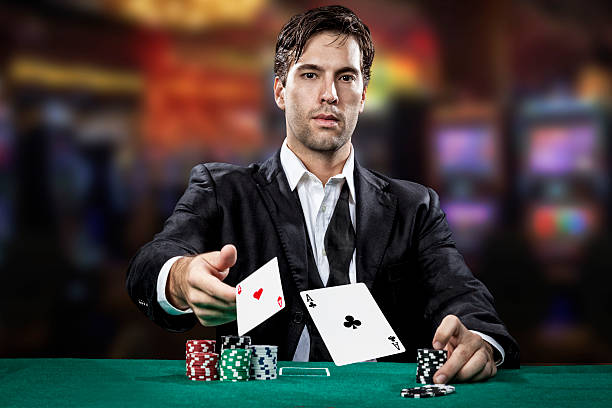
Additionally, this thrill can create a form of escapism. Many individuals use gambling as a way to step away from their daily stresses and immerse themselves in a world of potential fortune. The immersive nature of games—combined with the possibility of winning big—can temporarily distract players from their problems. This distraction can be beneficial in moderation, but it often blurs the lines between healthy leisure activity and unhealthy escapism, leading individuals to gamble more frequently as they seek that initial rush.
Over time, the excitement associated with uncertainty can lead to compulsive gambling. As the brain adapts to the dopamine release from wins, players often find themselves needing to gamble more or place larger bets to achieve the same high. This can spiral into a cycle of chasing losses, where the gambler believes that a win is just around the corner, further perpetuating their gambling behavior. Understanding this psychological aspect is crucial for recognizing the fine line between thrill-seeking and addiction.
The Role of Cognitive Biases
Cognitive biases significantly influence our gambling choices, often leading to irrational decision-making. One common bias is the illusion of control, where players believe they can influence the outcome of random games, such as slots or roulette. This false sense of power can lead individuals to gamble more, as they convince themselves that they can outsmart the game. For instance, a player might think they can predict the next number on a roulette wheel, encouraging them to place additional bets despite the inherent randomness of the game.
Another significant cognitive bias is the gambler’s fallacy, where individuals believe that past events can influence future outcomes in games of chance. For example, a person may think that since a particular number hasn’t been drawn in a while, it is “due” to appear soon. This fallacy can lead to increased betting and poor decision-making, as the individual fails to understand the independence of each game round. Cognitive biases like these highlight the complexities of human psychology and how they shape our gambling behavior.
These biases can be further exacerbated by social influences. When people gamble in groups, they often share in each other’s beliefs and irrationalities, reinforcing cognitive biases. The social dynamics of gambling can create an environment where risky behaviors are normalized, making it even more challenging for individuals to make rational decisions. Recognizing these biases is essential for gamblers to regain control over their choices and make more informed decisions about their gambling habits.
The Social Aspect of Gambling
Gambling often functions as a social activity, bringing friends and family together for shared experiences. This social aspect can enhance the appeal of games, as it creates a sense of community and belonging. For many, the social interaction involved in gambling can be just as enticing as the potential for financial gain. In social settings, such as casinos or online gaming platforms, players often engage in discussions, strategizing, and sharing excitement, all of which enhance the overall experience.
Moreover, social proof plays a crucial role in encouraging gambling behaviors. When individuals see others winning or enjoying their time, it can create a sense of FOMO, or fear of missing out. This psychological phenomenon can drive people to participate in gambling activities, believing they too could experience similar rewards and enjoyment. As social creatures, humans are highly influenced by their peers, and the communal aspect of gambling can often lead to heightened engagement.
However, the social aspect of gambling can also mask problematic behaviors. Friends and family may unintentionally encourage excessive gambling or overlook signs of addiction, believing that socializing around gambling is harmless fun. This dynamic can create a challenging environment for individuals who may be struggling with their gambling habits. Acknowledging the social influences at play is essential for fostering a healthier gambling culture and promoting responsible gaming practices.
The Emotional Connection to Gambling
The emotional connection individuals have with gambling often goes beyond the thrill of winning. Many people turn to gambling as a way to cope with negative emotions or to celebrate positive milestones. For instance, someone experiencing stress or anxiety might find solace in placing a bet, using the activity as a distraction. On the flip side, celebrations and victories can lead individuals to engage in gambling as a form of revelry, viewing it as a way to enhance their joy.
Furthermore, gambling can evoke a wide array of emotions, from excitement and hope to frustration and despair. These intense emotional experiences can lead to a rollercoaster effect, where players oscillate between euphoria and disappointment. This emotional volatility can make gambling enticing, as players may chase the highs while attempting to escape the lows. The connection between emotions and gambling choices is complex and multifaceted, often intertwining with psychological factors and social dynamics.
Understanding this emotional component is vital for both gamblers and those who care about them. Recognizing when gambling serves as a healthy outlet versus a harmful coping mechanism can significantly affect one’s relationship with gambling. Encouraging healthy emotional expression and alternative coping strategies can help individuals navigate their gambling habits more effectively, fostering a balanced approach to this popular pastime.
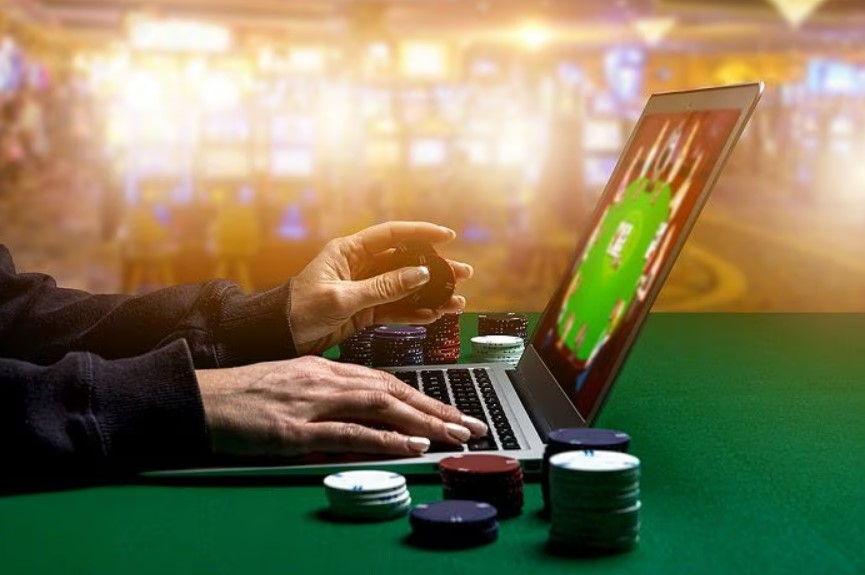
Experience Gaming at SpinRise Casino Canada
At SpinRise Casino Canada, players have the opportunity to explore a rich gaming environment that combines thrilling experiences with responsible gaming practices. Offering over 5,000 slots and live dealer games, SpinRise aims to provide a diverse range of options for all types of gamers. The welcoming atmosphere and generous bonus packages ensure that players can enjoy their gaming journey while making informed choices.
Understanding the psychological aspects of gambling is crucial, especially in an online setting. SpinRise prioritizes player welfare by offering resources for responsible gaming and customer support. The platform’s commitment to creating a safe environment enables players to focus on enjoyment rather than the potential pitfalls of gambling. With seamless payment options and rapid withdrawals, SpinRise enhances the overall gaming experience while encouraging players to make responsible choices.
Ultimately, SpinRise Casino Canada not only provides engaging games but also fosters a community that values responsible gaming. By promoting awareness of the psychological factors that drive gambling behavior, SpinRise empowers players to enjoy their favorite games while maintaining a healthy relationship with gambling. Join SpinRise today to experience a vibrant gaming community that prioritizes player well-being along with exhilarating entertainment.